The attraction of winter outdoor camping is undeniable: immaculate landscapes and crisp air make it a memorable experience. Nonetheless, staying cozy can be a challenge when the temperature levels decline.
The cold takes your heat in three primary means: conduction, condensation, and convected heat loss. Combating these hazards requires a wise protection that includes insulation and venting techniques.
Develop a Strong Thermal Barrier
One of the most basic method to obtain cozier in a tent for winter season outdoor camping is to layer the floorings with foam and reflective barriers. This basic do it yourself trick drastically minimizes warmth loss to the frozen ground and assists trap whatever body heat you produce.
If you intend to take it to the next level, try utilizing a business tent insulation kit. These sets are created to fit details tent models and attach with simple toggles. They're a bit a lot more pricey than a do it yourself job, but the high quality and comfort make them well worth the added expenditure.
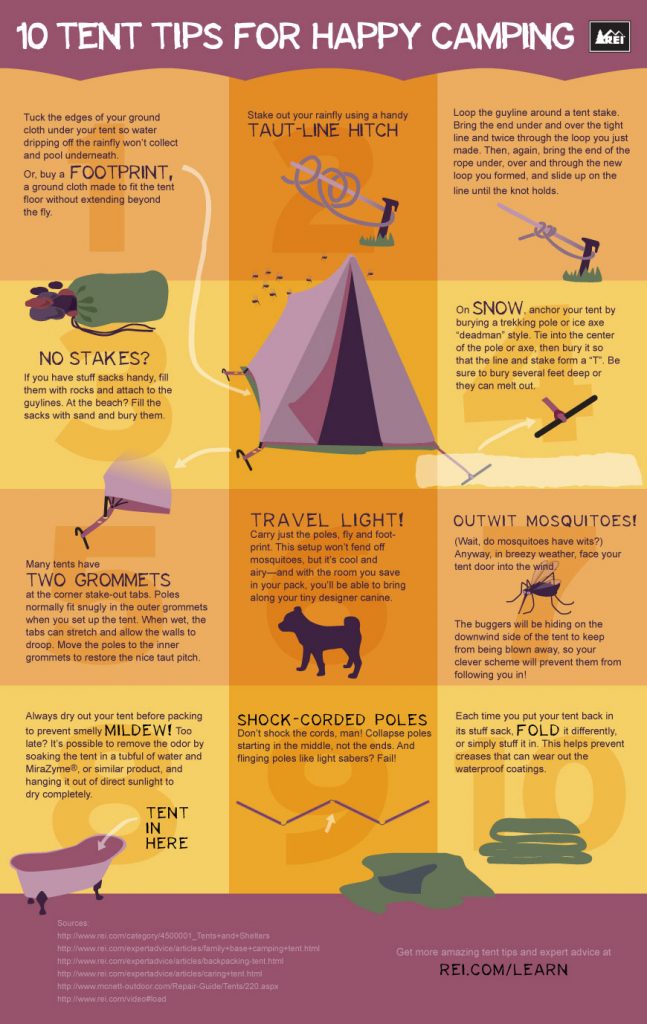
A non-negotiable action in any insulated tent is to put a ground tarp underneath it. This guards the outdoor tents flooring from rocks, sticks, and ground dampness, which are big sources of cold. It also reduces convective warm loss by blocking the wind from blowing snow or rain towards your camping tent. Do not neglect to leave an air void-- that entraped air works as a surprisingly effective insulator.
Line the Walls and Ceiling
In addition to protecting the floor, adding insulation to the walls and ceiling is necessary to keeping warm on winter season camping trips. This can be done by using blankets and insulated sleeping bag liners. Another option is to make use of closed-cell foam pads. These are an excellent selection due to the fact that they soak up temperature and lower condensation.
Condensation is your outdoor tents's stealthy saboteur, drawing heat out of your sleeping bag and into the fabric of the walls and rainfly. That damp air will take in any type of insulation you've added, so it's important to consider that dampness an escape.
To do this, just split a roofing vent and a small section of among the home windows on the downwind side of the camping tent to produce a natural chimney effect. This permits the cozy, damp air to leave without creating a bone-chilling draft. This strategy significantly boosts a camping tent's thermal effectiveness and helps you stay comfy on winter months outdoor camping trips.
Ventilate
The large obstacle when outdoor camping in the winter season is keeping your body cozy. A couple of easy, effective pointers can assist make your camping tent comfortable all evening long.
The very first layer is a ground tarp or impact that guards your camping tent from snow and cold planet. It likewise helps protect against a typical source of heat loss called transmission, where warm is drawn up via the floor and out of the camping tent.
The following layer is a closed-cell foam bed mattress or resting pad. These are very easy to load, lightweight, and supply outstanding thermal insulation when you remain in the tent. You can add a shielded resting bag or quilt to the mix for even more heat and convenience. For brief bursts of extra warmth, try a chemical warm pack (offered they are secure and effectively disposed of after usage). They are inexpensive and can be very effective at adding additional warmth to your tent. They can be bought at most outdoor retailers.
Do Not Disregard Wind and Condensation
While lining your outdoor tents is a substantial step in the direction of keeping warm, it's not nearly enough to completely shield you from the cold. To truly take pleasure in winter outdoor camping, you have to likewise take on the two greatest fun-killers: wind and condensation.
The first issue is convective warmth loss, which happens when icy wind strikes straight into your camping tent. An effectively staked rainfly is your finest tool against this. It produces a quiet space between the fly and internal outdoor tents, an insulating barrier that lowers biting winds.
The next issue is radiant heat loss, which occurs when your temperature mirrors off the inside of your tent. This is a huge reason that it's important to utilize reflective insulation like Mylar emergency situation coverings or specialized tent quilts. They're feather-light, cost effective, and duffel bag super effective at bouncing convected heat back at your body. Make certain to leave a tiny gap between the Mylar and camping tent material so you do not tear your rainfly.